The best first aid courses do not feel like lectures. They seem like practice sessions genuine life. Great trainers build controlled stress into each scenario, so you discover to think clearly while your heart is competing a little. Over several hours you start to trust your hands, your voice, and your judgment. That is the point of first aid training: to provide you a dependable script for the first 5 to 10 mins of an emergency situation, when decisions issue and aid is still on the way.
I have actually shown and investigated dozens of first aid and CPR courses across workplaces, colleges, and recreation center. The differences in between programs come to be noticeable once you watch a few classes. The high quality ones spend most of the moment on realistic scenarios and debriefs. The weak ones camp on slides, then sprint via a solitary technique mannequin at the end. If you are considering your alternatives, ask how much of the day is hands on. Ask if they redefine situations to match your setting, and whether your first aid certificate is acknowledged by your employer, regulatory authority, or market body. Then seek practice like what follows.
What real training really feels like
You will not just kneel on a tidy mat. You will answer a shouted "Help, somebody's down," stroll right into a staged scene, and make a number of little decisions in sequence. You will check for risks, call out for help, designate someone to sound emergency situation services, and start to evaluate the individual. You will certainly manage spectators, information, and devices. The trainer will sometimes tweak the circumstance midstream, the method reality does.
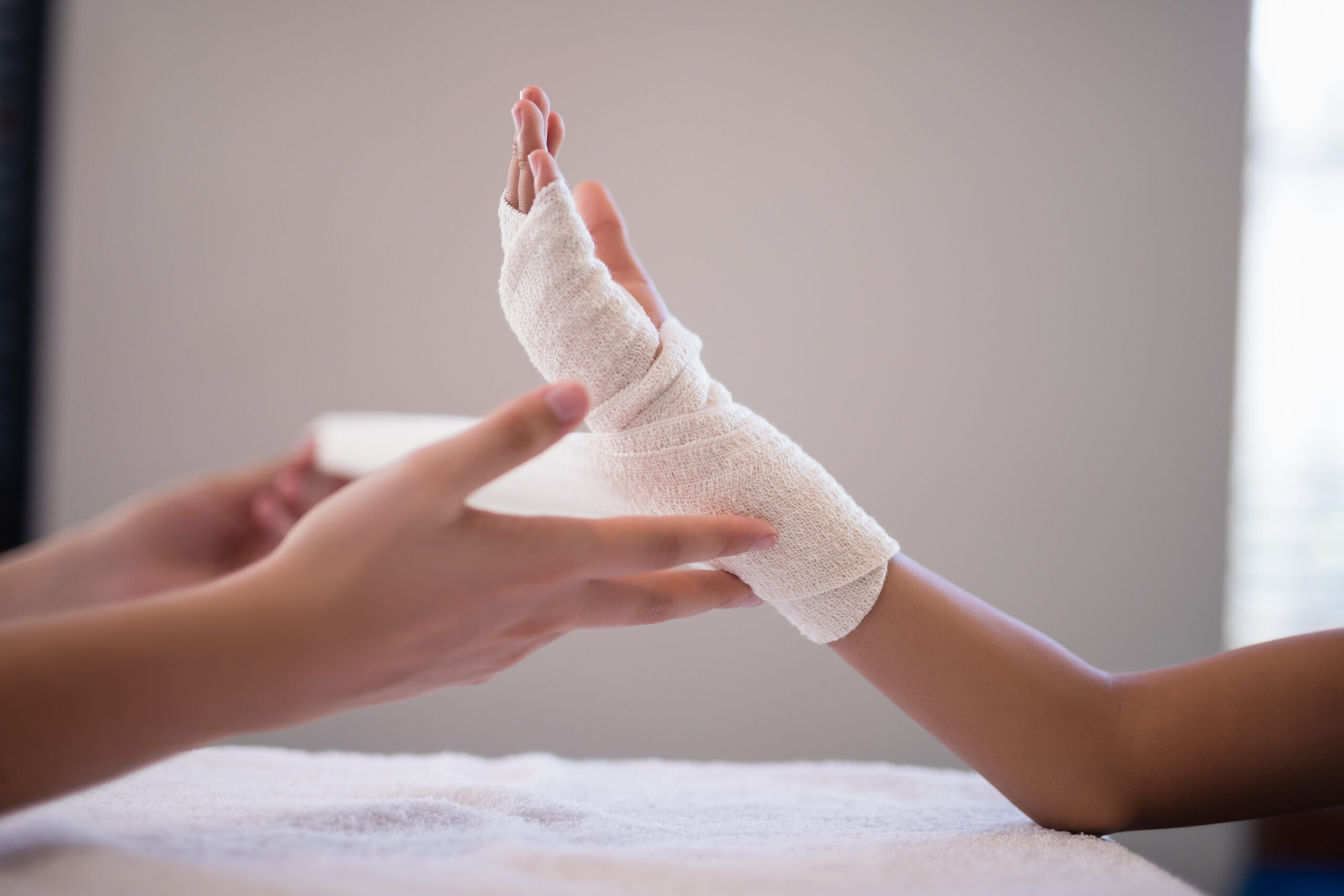
Trainees usually assume they are there to discover methods. They are, but the bigger gain is a psychological design: What do I do first? What is secure? What issues now? In a strong first aid course or combined first aid and CPR course, the majority of useful workouts are developed around that model.
Primary study under stress: DRSABCD with judgment
Every great program starts and finishes with the key study. Different suppliers differ on phrases, though the core is the same. The DRSABCD circulation teaches you to take care of yourself first, obtain aid moving, and after that supply one of the most essential care rapidly. In method, it is not mechanical. You find out to adapt it.
During circumstances, you will be trained to voice each action. Claiming it aloud guides your hands. The first time you do this with someone viewing, you will certainly feel awkward. By the third round it starts to move. You stop guessing and begin to observe with purpose.
The subtlety comes in the compromises. If a person is hardly breathing and you are alone, do you invest extra seconds finding a phone, or do you shout to a passerby to call while you begin checks? If the First Aid Certificate Cairns scene is noisy or dark, just how do you swiftly reposition the individual without making points worse? Quality instruction allows you exercise those tiny choices, after that debriefs why they were reasonable.
CPR that stands up when your arms ache
Most individuals think CPR training is learning a number. As a matter of fact, it is learning uniformity. You will cycle through compressions and breaths at a tempo you can maintain, and your trainer will rate you with a metronome or a basic beat. You will certainly practice on grown-up, child, and baby mannequins, each with different hand positioning, compression depth, and breath volume. A correct CPR course does not rush the baby terminals. The grip for a two-finger or surrounding thumbs technique need to be felt, not just shown.
You ought to expect to:
- Practice uninterrupted compressions for two minutes at the very least twice, enough to really feel exhaustion and learn exactly how to preserve depth and price as your shoulders tire. Swap rescuers smoothly every two minutes, making use of a quick count-in so compressions resume without a long pause. Deliver breaths with a barrier device, looking for chest rise instead of thinking volume.
Instructors who have functioned real arrests will push you to decrease interruptions. Quiting compressions for greater than a few secs drops perfusion stress, and the person's chance of survival drops. You will discover to establish the AED pads while your partner compresses, clear just when the tool informs you to, after that leap directly back onto the chest. During debriefs, you will certainly listen to times. You will certainly see exactly how frequently "little" hold-ups add up to 20 or 30 lost seconds. That sticks.

A great cpr refresher course does not water this down. If anything, refresher courses are sharper, shorter on talk and heavier on reps. Abilities degeneration fast, commonly within months. Short refresher courses focused on timing and transitions recover quality far better than long discussions regarding physiology.
AED usage that respects the tool and the moment
Automated external defibrillators are basic, which often lures trainers to treat them as an afterthought. The much better first aid and cpr courses do the contrary. They treat the AED as a staff member with its own speed and guidelines, after that they pierce just how you function around it.
Expect to open multiple AED versions. The switches stay in various areas. Voice triggers differ. You will certainly practice tearing open grown-up pads with function, placing them on a sweaty chest, and shaving or drying out if required. If your work environment has a design that Morphett Vale First Aid Training needs a hand-operated shock button, you will certainly exercise the telephone call and action, clear the client, look left and right, claim "green light," then press. If it is totally automated, you will still practice removing the individual so no one get in touches with them during shock.
Edge cases matter. Pacemakers and medicine spots require pad placement modifications. A wet environment changes top priorities. Instructors will stage these information since they are specifically where confidence falters.
Airway issues that are loud, messy, and solvable
Choking, allergic reactions, and airway swelling all feel urgent, however they do not behave the very same. You will certainly exercise coughing training, back blows, and stomach thrusts on training vests that allow you deal with genuine force. You will certainly really feel the angle and tempo, not just the area. For infants, you will exercise face-down back slaps and upper body drives on a tiny manikin so you find out just how much assistance and how little pressure is needed.
Good trainers additionally rehearse the grey locations. An individual who can cough and talk does not require hostile drives, they need calm training and surveillance. A person who can not make a sound needs instant activity. If the individual comes to be unresponsive, you transition to CPR and inspect the mouth for visible obstructions after each collection of compressions. You will run that sequence until it is smooth, since the very first time you see it in life the panic will certainly be real.
For extreme allergies, the adrenaline auto-injector is simple, yet using it through apparel at the mid-outer thigh, holding for the correct time, and rubbing gently afterward are little steps that benefit from method. In a quality first aid course, you will certainly manage instructor tools continuously. You will certainly likewise practice the timing of a 2nd dosage, the call to emergency services, and safe placing while you wait.
Bleeding control that values the clock
Significant bleeding is a race you can win with basic devices. You will learn direct pressure first, then stress plus wound packing for deep, slim wounds. If your setup warrants it, you will find out tourniquet application high and tight on the arm or leg, tightened up up until hemorrhaging quits, not up until it "really feels snug." The very first time you crank a windlass to that factor you will certainly be amazed at the force needed. That is why we practice.
You will additionally learn where tourniquets are not valuable, such as junctional areas like the groin or armpit, where packing and direct pressure issue more. And you will certainly go over how much time a tourniquet can remain on. People stress over arm or leg loss. The information from modern emergency situation care shows that an effectively used tourniquet for the time it takes to get to health center, typically under 2 hours, is usually risk-free and typically life conserving. That discussion calms nerves and makes decisive action more likely.
An excellent instructor will certainly imitate unpleasant facts. Blood is slippery. Gloves tear. People shout. In training, gel packs and moulage may stand in for those distractors. You will do far better on the street because you have seen it in a classroom.
Medical events that resemble something else
Some emergencies hide in plain sight. A collapsing episode can resemble a seizure. Reduced blood sugar level can look like intoxication. Panic can resemble an asthma assault. A high quality course shows you to ask straightforward, sharp concerns and act on the answers.
For breast pain, you will certainly try to find signs and symptoms that recommend a cardiac arrest rather than acid indigestion: pressure that spreads to the arm or jaw, lack of breath, fear, nausea or vomiting. You will exercise assisting the person into a position of convenience, maintaining them calm and still, and collecting a drug history. If they have prescribed medication like nitroglycerin and it is ideal to assist, you will rehearse the checks: blood pressure issues, timing in between dosages, and lack of recent impotence medication use. Those details come directly from protocols. You will not presume them in the minute if you have not practiced.
For stroke acknowledgment, the FAST check remains functional: face droop, arm weak point, speech problem, and time to call emergency situation solutions. You will be motivated to note the exact time signs began, which straight affects therapy choices in medical facility. Numerous students are amazed at just how frequently the "last well-known well" time is unclear. It matters greater than most individuals realize.
For diabetic emergency situations, you will exercise a dental sugar gel help for a person that is conscious enough to ingest securely. If they are not, you will certainly find out why food or beverage is hazardous and why calling for aid and keeping track of the air passage becomes the priority. You will certainly additionally talk about patterns: well-known diabetics that skipped a meal, worked out hard, or took too much insulin prevail low blood sugar stories, while infection or missed out on drug more often drives high blood glucose. You are not detecting, you are steering towards risk-free steps.
Breathing troubles that require pacing and posture
Asthma, anaphylaxis, and panic all create rapid breathing. The therapy varies. In training, you will certainly practice assisting with an inhaler and spacer, counting breaths, and cueing the person to rest onward with elbows sustained. That simple stance adjustment can buy time. You will likewise rehearse watching for fatigue, an indication that fast breathing is tipping into failing. Unstable speech, sinking breast muscular tissues, or a decrease in sound from the lungs are red flags. Your job is to recognize when it stops being a mentoring problem and becomes a call-now problem.
If you learn a work environment with known breathing dangers, like messy workshops or chemical direct exposure, the situations will make use of masks, eyewash terminals, and safety and security information sheets. That crossover in between first aid and website security is where a customized first aid course makes its keep.
Injuries that do not check out the textbook
Sprains, cracks, and misplacements are the support of office and sports first aid. Trainers will certainly teach you to think in terms of function, not simply look. Swelling, defect, and wounding issue, however loss of function and pain on weight bearing or activity are commonly better overviews. Splinting is a skill worth exercising, also if your package is standard. Rolled newspapers, triangular plasters, and tape can paralyze a great deal of injuries when a commercial splint is not handy.
For suspected back injuries, many programs have upgraded their technique. The days of routine head blocks for any person that bumps a head are gone. The focus is on lessening activity, aligning the individual's convenience, and staying clear of grip or energetic repositioning unless the respiratory tract is intimidated. You will exercise spoken coaching that keeps an individual still without raising their fear. You will certainly additionally learn when gentle aid up and a check for lightheadedness is practical, since not every autumn justifies a collar and board.
Head injuries get unique attention. You will certainly speak about monitoring windows, warnings like aggravating frustration, repeated vomiting, confusion, and unequal students, and what risk-free tracking at home resembles if ambulance care is not right away called for. A great first aid and cpr course will certainly anchor those decisions in local support, since protocols differ somewhat by region.
Burns that demand calm sequencing
Burns reward a calmness, methodical method. You will certainly practice eliminating rings and tightening items early prior to swelling traps them, cooling down the melt with trendy running water for approximately 20 mins, and shielding the area with non-stick dressings. Ice is not utilized, and lotions have a minimal role beforehand. You will go over chemical burns separately, where brushing off dry powders before purging is necessary, and where some representatives respond with water. This is one of the few times a security data sheet in the office can be a life saver, and you will be trained to find and review the basics quickly.
Electrical burns look small on the surface and deep below. Training circumstances will press you to think about scene safety initially, verify power is off, and afterwards keep an eye on closely for hidden injury and heart rhythm issues. Teachers frequently combine electrical melt practice with AED drills because the overlap is practical.
Environmental direct exposures that sneak up
Heat fatigue and warm stroke are not simply athletic problems. Storage facility personnel, kitchen area workers, and outside teams get them also. You will exercise the distinction: sweating and aches point to warm fatigue, while warm completely dry skin, transformed frame of mind, and collapse are red flags for warm stroke. Cooling approaches differ with intensity. Shade, fluids, and energetic air conditioning with fans and wet cloths help milder instances. For heat stroke, aggressive air conditioning begins immediately while emergency services are called. Ice to large vessels in the neck, armpits, and groin can help if offered, however do not postpone transportation to find it.
Hypothermia scenarios are quieter. Individuals end up being slow-moving, not remarkable. You will rehearse gentle handling, eliminating wet apparel, layering warmth, and preventing fast rewarming of extremities if the core is cold. You will likewise exercise monitoring for delayed degeneration, because individuals can look steady after that slide if they are moved or exert themselves as well soon.
Poisoning and overdoses that need stable hands
Modern first aid training includes opioid overdose recognition and reaction in many areas. You will learn to determine sluggish or stopped breathing, identify students, and unresponsiveness, after that to deliver naloxone if trained and offered, and to begin CPR if breathing is lacking. The recovery setting ends up being more than a representation when you practice rolling somebody while safeguarding their airway and dignity. Teachers highlight that naloxone disappears, so monitoring and transportation issue also when the person wakes.
For consumed poisons, you will certainly be educated not to cause throwing up and not to offer anything to consume or consume unless a poisonous substance information facility or local method says so. Turned on charcoal is not a first aid ability in a lot of setups. What you can do is identify the substance, gather product packaging, and report times and quantities. That easy info increases care.
When kids are not simply small adults
Paediatric situations deserve their very own block. Airways are proportionally smaller sized. Respiratory issues lead rapidly to exhaustion. Psychological monitoring matters much more, both for the kid and the moms and dad. You will certainly exercise getting reduced to the youngster's level, utilizing a calm voice, and seeing exactly how play or interaction modifications as a subtle indicator of damage. You will certainly likewise exercise baby CPR with appropriate depth and price, and real stops briefly to examine chest surge. A strong first aid and cpr course crafts separate, age-appropriate circumstances as opposed to shrinking adult ones.
Communication that purchases you time and trust
Technical ability fixes only half the issue. You will practice talking clearly to spectators, appointing tasks, and rejecting purposeless help without pushing away people. You will discover to give a crisp handover to paramedics or center team, consisting of the individual's problem, what you observed, what you did, and exactly how they reacted. If your course includes cpr training with AED drills, you will exercise specifying times and cycles, since those information help medical professionals make a decision next steps.
Good trainers train your tone. Positive, brief sentences maintain scenes orderly. You will attempt phrases that work: "You, in heaven tee shirt, please phone call emergency solutions and return to inform me what they stated." That solitary sentence avoids 3 individuals from calling and no one feeding back, an usual failure in real events.
Documentation and debriefs that improve your following response
A high quality first aid course finishes each circumstance with a debrief. Not a lecture, a discussion. What went well? What really felt slow? What would you alter with the exact same details? You will certainly also cover standard documents, because memory obscures under stress and anxiety. Short notes concerning time of collapse, adjustments in breathing, therapies given, and dosages assist both for scientific treatment and for office reporting.
Do not skim this component. The behaviors you construct in debriefs bring into real incidents. You will replay the event in your head in any case. With technique, that replay is constructive, not punishing.
Equipment knowledge that lowers fumbling
Every minute you spend opening packages in class is a minute saved later. You will take apart a first aid kit, learn where gloves, masks, shears, and dressings live, and repack it in a way that makes good sense. If your work environment uses a details AED or brings oxygen, suction, or epinephrine auto-injectors, those need to show up in circumstances. If they do not, ask. A supplier like First Aid Pro or comparable organizations typically customizes training for sector setups, from friendliness to building. The point is not brand loyalty, it is muscle mass memory.
If you intend to keep your abilities with cpr courses in time, inquire about technique access between accreditations. Some service providers host open practice or short skill checks that maintain rust from developing without a full day in class.
What to try to find when picking a course
Marketing language looks the same throughout service providers, so judge on method. Ask how many mannequins per student, how many circumstance hours, and whether you will practice both solo and in groups. If you are renewing, ask if their cpr refresher course consists of the very same hands-on time as the first course. If they say no since "you currently understand it," keep looking.
Also check:

- Recognition and compliance: Does the first aid certificate satisfy your regulatory authority's or company's standard, and is it present with neighborhood guidelines for resuscitation and initial aid? Instructor history: Do they have recent field experience or solid instructional layout? Either can function, however one of them requires to be present. Scenario significance: Will certainly they customize circumstances to your setting, including usual risks and available equipment?
Price issues, however so does worth. An economical program that leaves you unsure is the costly choice First Aid and CPR Course Mackay the day you need it. The best first aid courses feel immersive. You leave exhausted, a little bit perspiring, and more confident than when you walked in.
The payoff: a calm initial minute and a strong handover
What you rehearse becomes what you do. The initial min sets the tone. If you look, pay attention, and act in sequence, others will certainly follow your lead. In a heart attack, your compressions and AED preparation can increase or triple the chance of survival compared to not doing anything, and quality compressions beat occasional ones by a mile. In hemorrhaging control, pressure applied well within the first min usually keeps a convenient injury from turning vital. Those are not abstract gains. They are the silent difference in between an unsteady tale and a great outcome.
Take a first aid training course that treats situations as the heart of learning. Pick a mixed first aid and cpr course if your timetable allows, so you entrust to a single, incorporated capability. Maintain your skills fresh with routine cpr courses or short refresher courses. You will never ever regret the hours you invested exercising when reality asks for them.